Karnataka farming · 4 min read
Coffee country: how Karnataka grows India's filter coffee
From seven beans on a Chikkamagaluru hillside to the steel tumbler: the story and the steps behind South Indian filter coffee.
Published
Ask for coffee in a Bengaluru darshini and it arrives in a small steel tumbler set in a wide saucer called a dabara, strong, milky and frothed by pouring. Most of the beans in that cup grew within a few hours' drive.
Seven beans
The story told in Chikkamagaluru is that a Sufi saint, Baba Budan, returned from pilgrimage around 1670 with seven coffee beans from Yemen and planted them on the hills that now carry his name. Whatever the exact history, coffee has been grown in these hills for centuries, and Chikkamagaluru, Kodagu and Hassan together produce the larger share of India's coffee today.
Grown in the shade
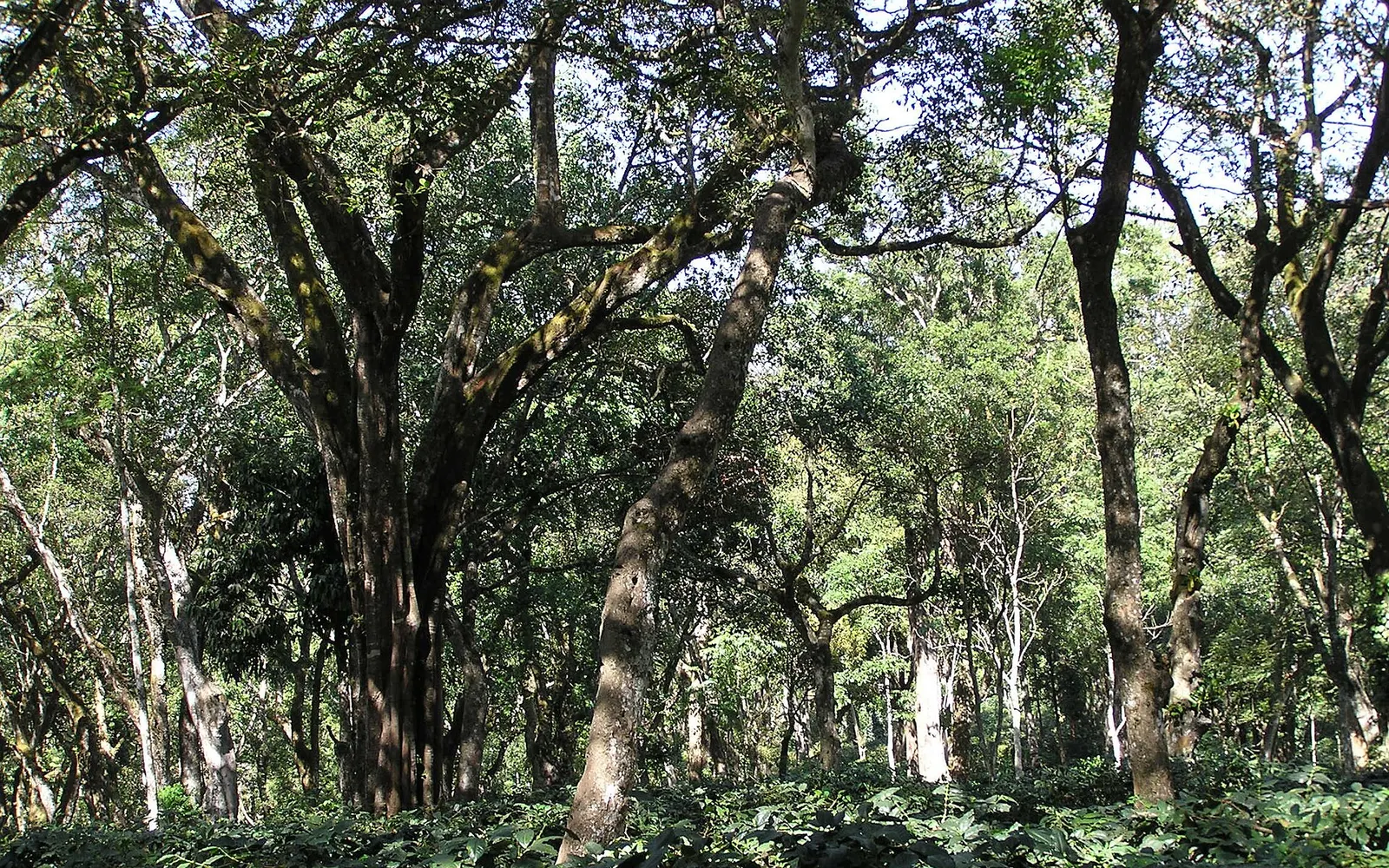
Indian coffee is grown under a canopy of trees rather than in open fields. Silver oak, jackfruit and native forest trees shade the bushes, pepper vines climb them, and many estates also grow cardamom, arecanut and oranges. Estates here look more like woodland than farmland.
Arabica and Robusta
Two species are grown. Arabica prefers the cooler, higher slopes and gives aroma and a gentle acidity. Robusta grows lower down, yields more, and gives body, strength and a thick crema. A filter coffee blend usually uses both. Galafru's blend is 60 percent Arabica and 40 percent Robusta, with no chicory added.
From cherry to bean
Coffee is picked by hand, mostly between November and March, when the cherries turn red. It is then processed in one of two ways. In the washed method the fruit is pulped and the beans are fermented, washed and dried; the trade calls this parchment coffee. In the natural method the whole cherry is dried in the sun and hulled later; the trade calls this cherry coffee. The dried beans are graded by size and sent to curing works, then to roasters.
The filter and the decoction
South Indian filter coffee is brewed in a two-part metal filter. Finely ground coffee sits in the upper chamber, hot water is poured over it, and a thick liquid called decoction drips slowly into the lower chamber. A little decoction is mixed with hot milk and sugar, then poured back and forth between tumbler and dabara to cool it and raise a froth.
For a busy kitchen
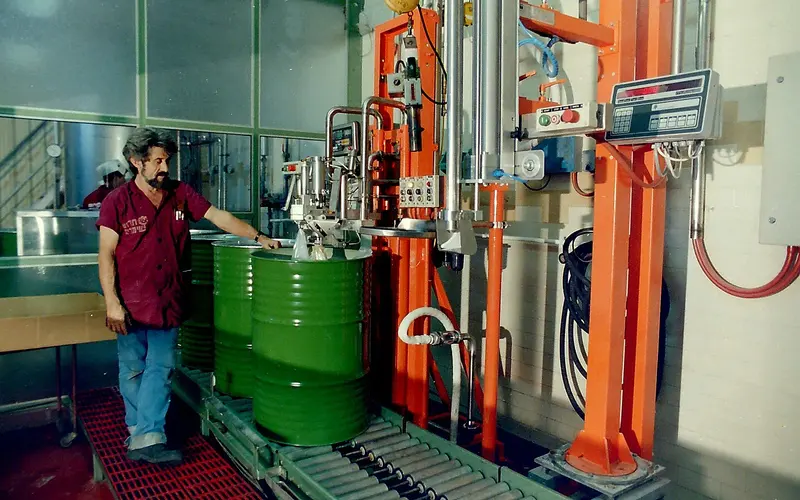
A hotel serving hundreds of cups at breakfast needs every cup to taste the same. That is why kitchens choose between beans for grinding fresh, powder for the filter, and ready decoction that only needs hot milk. Galafru supplies all three from the same blend.